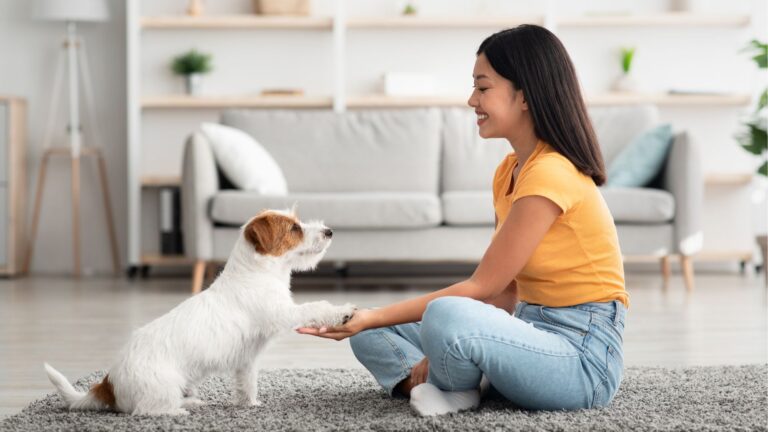
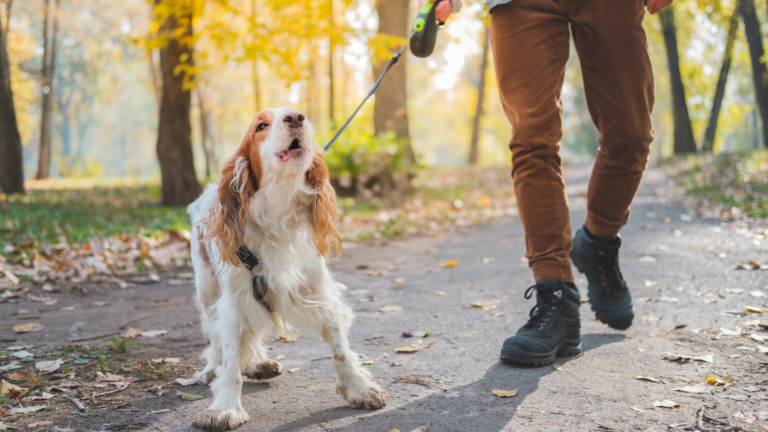
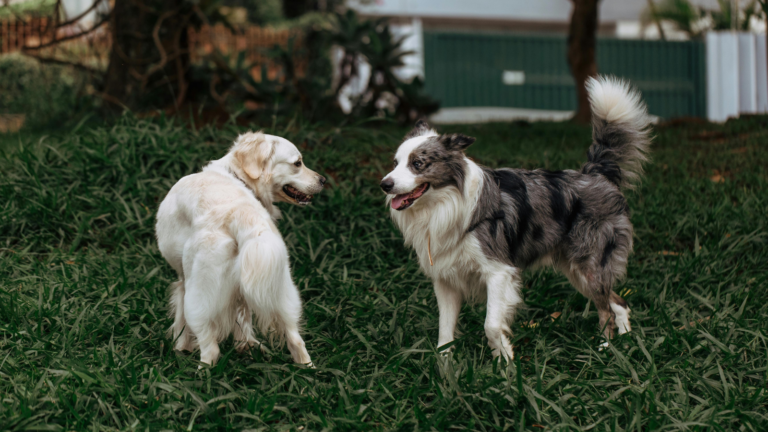
Many owners expect their puppy to be calm, confident, and friendly with everyone they meet.
Truth: Every dog is an individual with their own personality, experiences, and preferences.
Expecting all puppies to love every person and every dog is unrealistic. Just as some people are naturally more social than others, the same is true for dogs.
What Healthy Socialisation Really Looks Like
Puppies do not need to play with or bond with every dog or person they encounter. Instead, the goal of socialisation is to help your puppy become:
Socialisation is about confidence—not constant friendliness.
This is best achieved through carefully managed, positive early experiences, where puppies are introduced to new situations gradually and safely.
Well-run puppy classes can be particularly helpful in supporting these early interactions.
The Importance of Choice and Consent
A key part of building confidence in your puppy is giving them choice and control.
This means paying close attention to their body language and behaviour to understand how they are feeling. If your puppy shows signs of discomfort, increasing distance from the situation helps them feel safe. By consistently listening and responding to your puppy in this way, you:
- Build trust
- Create a sense of security
- Support long-term confidence
Practical Tips for Socialising Your Puppy
- Start at home:
Build calmness and confidence in a familiar environment before expecting it in busier settings. - Introduce gradually:
Expose your puppy to new people and dogs slowly and positively, always working at their pace. - Respect their emotions:
If your puppy appears frightened or overly excited, they need support—not pressure. - Use structured environments:
Well-organised puppy classes can help teach appropriate dog-to-dog social skills. - Advocate for your puppy:
Don’t hesitate to ask other dog owners to give your puppy space if they are showing signs of discomfort.
Why Not All Dogs Are “Social Butterflies”
Socialisation is about building resilience and confidence, not turning your puppy into an extrovert.
Some dogs may never enjoy interacting with everyone they meet—and that’s completely normal.
A dog’s sociability can be influenced by:
- Their individual personality
- Breed tendencies
- Life experiences
Wrap-Up
Your puppy doesn’t need to be everyone’s best friend to live a happy and confident life.
By respecting who they are and providing the right support and training, you can help them navigate the world successfully.
Ultimately, the goal is not to force your puppy into a mould—but to build a strong, trusting relationship with the dog you have.
Acceptance over expectations which might be a possible definition for love!
If you would like more help with your puppy, get in touch!