If I got £1 for every time I heard someone say a wagging tail means the dog is happy, I would be a rich woman!
It’s a common misconception, particularly among people who haven’t spent much time around dogs. And it can sometimes be a dangerous one.
Take Stasi, for example. As she approached the front door to deliver a parcel, a dog appeared from the back garden.
He stood staring at Stasi. His body was stiff, but his tail was raised, curled over his back and wagging slowly.
“Hi, sweetie!” she said as she continued towards the front door.
The dog growled.
Stasi stopped in her tracks before slowly retreating, holding the parcel in front of her. She got safely beyond the gate, but it certainly could have been an expensive mistake.
So how can we tell what a wagging tail actually means?
The answer is to look at the whole dog.
Body language is one of the primary ways dogs communicate and, just as with us, it is best read in context and as a cluster of signals.
Think about a person with their arms crossed. Are they feeling defensive, or are they simply cold? We need a little more information before deciding what’s going on.
It’s the same with dogs.
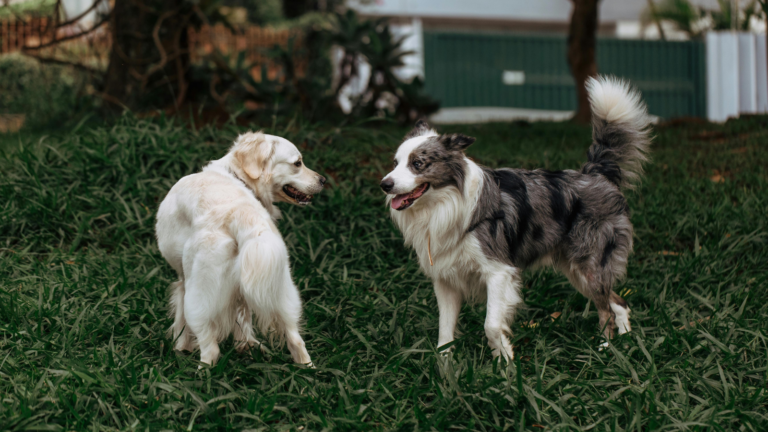
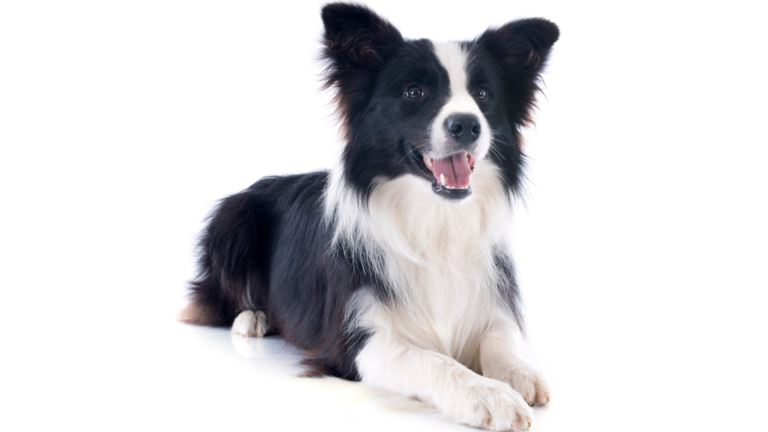
Start by looking at their overall level of tension or relaxation. A relaxed dog will generally have soft, sparkly eyes, a relaxed expression, neutral ears and loose, fluid movements.
A tense dog may have a hard expression, tense mouth, wide eyes, ears held forward or back, and a rigid body. They may look away or stare directly at you.
And in both cases, the tail could be wagging.
This is why the cluster counts.
When looking at the tail, consider its position, movement and speed. A high tail often indicates an aroused dog, but that arousal could be excitement, curiosity, alertness or fear. A lower or tucked tail can indicate nervousness, although context matters here too.
Then there’s the wag itself.
A fast, helicopter-like wag often accompanies high arousal and may occur when a dog is excited and happy. But anxious dogs can wag quickly too!
A low, relaxed, sweeping wag is often seen in a happy, relaxed dog, while a slower wag can accompany caution, uncertainty or an attempt to communicate that the dog isn’t a threat.
So yes, it’s complicated!
Had Stasi looked beyond the wagging tail, she might have noticed the stiff body and hard stare and recognised that this wasn’t a dog inviting her closer.
As dog owners, taking time to notice these nuances is a helpful way to deepen our connection with our dogs. It’s our way of listening to them.
Watch your dog in different situations – when relaxed, excited, playing, around other dogs or feeling stressed. Notice what your dog looks like and how they communicate.
And next time you see a wagging tail, pause before assuming you know what it means.
What else is the rest of the dog telling you?